

The key to selecting a suitable laser marking filter lies in accurately matching the laser wavelength, ensuring a high damage threshold, selecting appropriate materials and coating processes, and balancing size compatibility and system integration requirements. The following are specific selection strategies and practical suggestions:
1、 Clarify the laser type and operating wavelength
The primary function of a filter is to selectively pass through the target laser wavelength, blocking stray light and harmful radiation. Therefore, precise matching must be performed based on the output wavelength of the laser used:
1064nm: Suitable for Nd: YAG or fiber lasers, widely used for marking materials such as metals and plastics
532nm (green light): used for high-precision color marking, such as electronic component identification
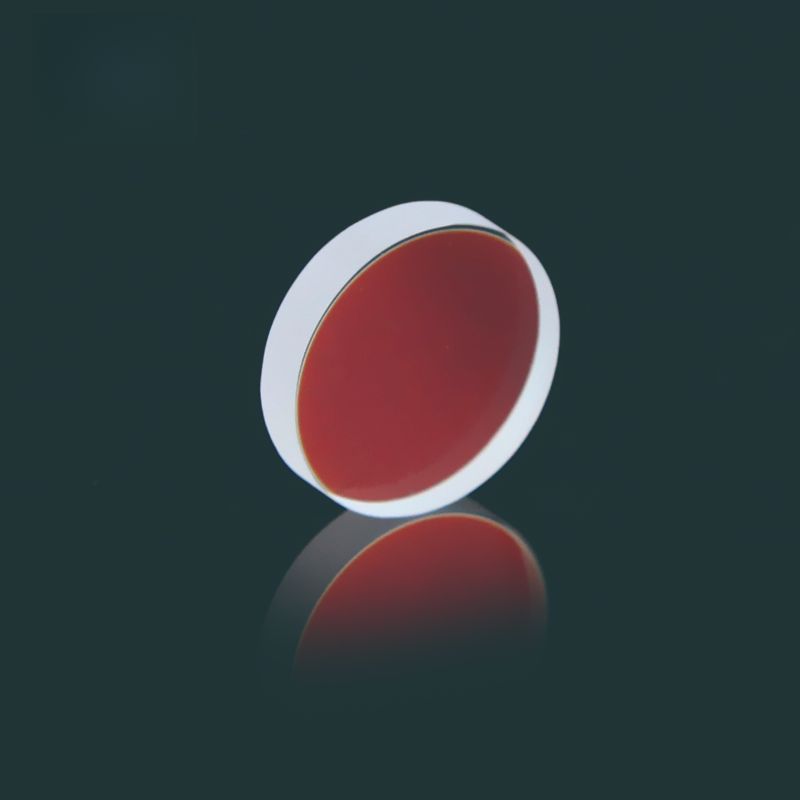
355nm (UV): Suitable for heat sensitive materials such as plastics and semiconductors, achieving cold processing and avoiding thermal deformation
Recommend using narrowband bandpass filters that only allow target wavelengths within ± 5nm to pass through, effectively suppressing background noise and improving marking contrast and clarity.
2、 Prioritize selecting dura mater filters with high laser damage threshold
Industrial grade laser marking often operates at high power, and the filter needs to have sufficient resistance to laser damage:
Hard film filters (such as TiO ₂/SiO ₂ multilayer dielectric films) have higher laser damage thresholds and are suitable for long-term stable operation
Although soft film filters have low cost, they are prone to thermal deformation or film erosion, and are not recommended for high-power scenarios
It is recommended to choose a filter with double-sided anti reflective coating, which can increase the transmittance to over 99% and reduce energy loss
